The Role of a Litigation Lawyer Explained: When Is One Necessary?
Recognizing the value of a legal advocate is essential for those dealing with legal disputes. These legal practitioners handle intricate legal conflicts, ranging from agreement disputes to personal injury claims. Their skill can significantly impact the result of a legal matter. However, many may wonder when exactly to obtain their guidance. Investigating the complexities of their responsibilities and the legal proceedings uncovers valuable information that could shape one's approach regarding legal disputes.
What Is a Litigation Lawyer and What Do They Do?
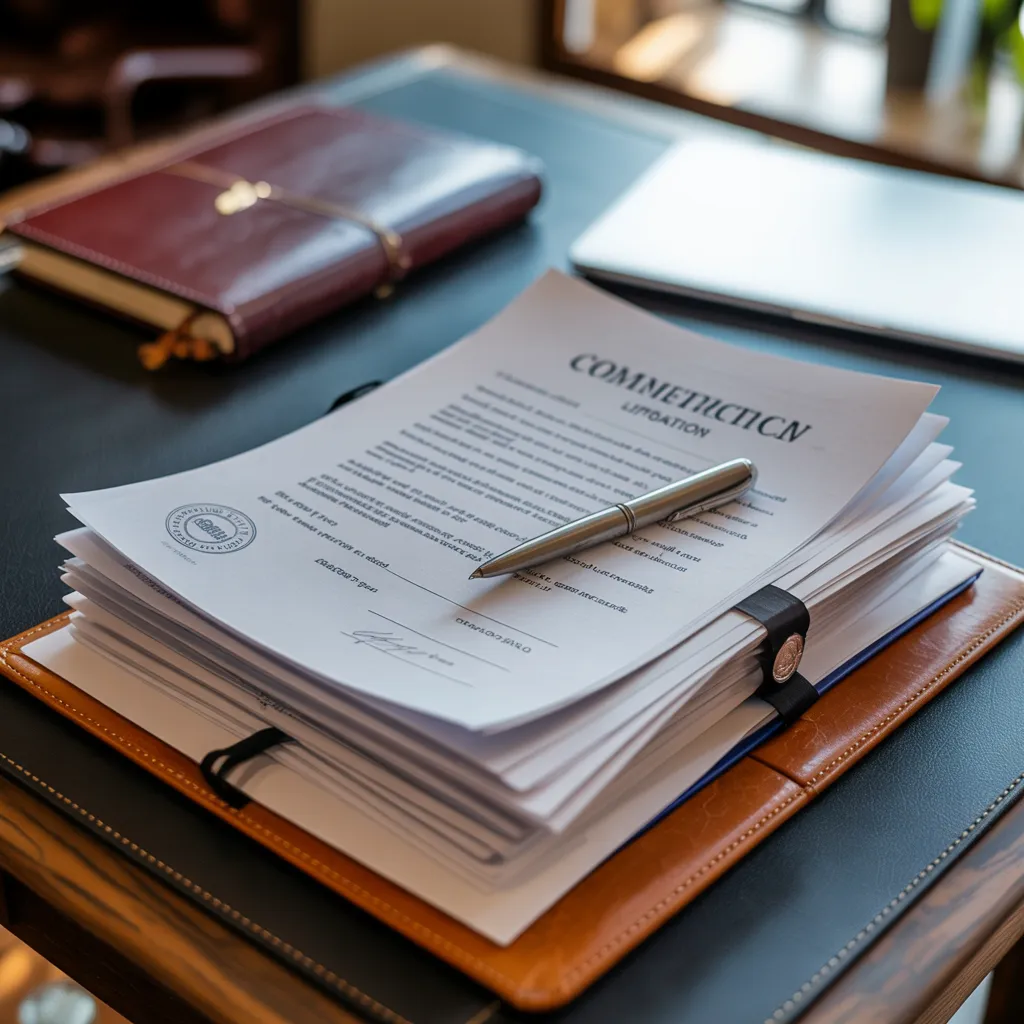
A litigation attorney, commonly referred to as a courtroom advocate, specializes in advocating for clients involved in legal matters that might escalate to formal court proceedings. Such legal experts navigate intricate legal systems to champion their clients' interests. Their roles encompass a wide range of duties, including carrying out detailed legal research, composing critical legal paperwork, and creating comprehensive approaches to courtroom preparation.
Litigators often engage in settlement negotiations, aiming to settle conflicts without going to trial. They advocate for clients in a wide range of legal matters, such as family law, personal injury cases, and commercial disputes. Additionally, they compile evidence, consult with witnesses, and craft persuasive legal arguments for trial proceedings.
Skilled litigation attorneys have impressive communication and critical thinking skills, allowing them to analyze complex matters and perform effectively under pressure. Their expertise not only aids clients in understanding their legal rights but also provides essential guidance throughout the litigation process, promoting confident and well-considered decisions.
The Litigation Process Explained
The legal litigation process involves a number of critical stages that guide parties through resolving disputes in a legal context. Understanding these stages, along with the common litigation strategies that lawyers employ, is crucial for handling the intricacies of legal proceedings. This summary will help clarify how each stage contributes to the overall litigation landscape.
Key Stages Of Litigation
Court cases progress through a defined set of steps, each essential to the resolution of legal disputes. Initially, the process begins with the pleading phase, where both sides submit paperwork outlining their claims and defenses. Next comes the discovery phase, a period in which each side obtains evidence through interrogatories, depositions, and document requests. Subsequently, pre-trial motions may be filed, enabling litigants to seek decisions from the court on particular matters. If the case proceeds, it proceeds to the courtroom, where arguments are made and a decision is reached. Additional motions may follow the verdict, addressing potential errors or requesting modifications to the ruling. Finally, if necessary, the losing party may appeal, requesting a higher court's examination of the verdict. Each stage plays an essential role in achieving a resolution.
Common Litigation Strategies
While navigating the complexities of legal disputes, parties often employ various litigation strategies to strengthen their positions. These strategies can include comprehensive research and discovery, which helps uncover essential evidence to substantiate claims or defenses. Additionally, parties may utilize pre-trial motions to eliminate baseless claims or to compel the opposing side to produce documents. Settlement negotiations and discussions are also frequently used, allowing parties to address conflicts constructively and potentially save on litigation costs. Moreover, compelling trial presentation, including persuasive arguments and impactful witness testimonies, plays a vital role in affecting a jury's outcome. Ultimately, the choice of strategy depends on the specifics of the case and the desired outcome, guided by the proficiency of a skilled litigation counsel.
Common Legal Scenarios That Necessitate a Litigation Lawyer
When confronted with complicated disagreements that fail to be addressed through negotiation, individuals and businesses frequently require the services of a litigation lawyer. Frequent situations that demand such specialized legal guidance encompass contract disagreements, where parties disagree on terms and conditions, leading to potential financial loss. Job-related concerns, including unlawful dismissal or harassment allegations, may also require litigation to ensure equitable outcomes. Additionally, bodily harm claims, where individuals seek compensation for damages due to negligence, frequently require pursuing claims against liable individuals. Moreover, housing and land conflicts, like deed complications or tenant-landlord disagreements, frequently necessitate litigation. Intellectual property infringement, like logo or content theft, constitutes an additional field necessitating legal representation. Under these circumstances, legal representation becomes essential to navigate the complexities of the judicial system and defend the client's best interests and objectives.
The Benefits of Working with a Litigation Lawyer
Managing the intricacies of legal disputes often demands professional assistance, making the hiring of a legal advocate a prudent decision. These experts bring focused skills and background that can substantially impact the resolution of a legal matter. Their understanding of legal procedures guarantees that all essential filings are filed accurately and promptly, reducing the likelihood of procedural errors that could undermine a party's case.
Moreover, litigation lawyers are expert professionals who can argue effectively for their clients, whether in settlement discussions or court proceedings. Their capacity to assess the available evidence and develop strong legal arguments is crucial in constructing a convincing case. Additionally, having a litigation lawyer can ease the anxiety associated with legal battles, freeing clients to attend to other important matters. Ultimately, the skill and assistance provided by litigation lawyers can enhance the chances of a favorable resolution, making them essential advocates in legal battles.
How to Pick the Ideal Litigation Attorney for Your Situation
Choosing the best litigation lawyer can significantly impact the conclusion of a case. Initially, potential clients should examine the lawyer's background in the particular area of law relevant to their case, whether it be corporate, personal injury, or another field. A lawyer's history with comparable cases can shed light on their capabilities.
Moreover, individuals should assess the lawyer's approach to communication and accessibility. Effective communication is essential for ensuring that all concerns are addressed promptly and understanding the legal process.
Furthermore, it is wise to reflect on the lawyer's credibility within the legal profession. Client opinions and peer recommendations can provide useful guidance.
Finally, discussing fees upfront is essential to prevent confusion down the line. By weighing these aspects thoughtfully, people can arrive at a matching information knowledgeable choice, eventually choosing a legal representative who aligns with their needs and objectives.

What Happens During Your First Meeting With a Litigation Lawyer?
Throughout the opening consultation with a litigation lawyer, clients ought to come ready with an in-depth account of their situation. This session further offers an occasion to explore the framework of legal charges and any possible costs that may arise. Comprehending these factors is vital for clients to properly handle the legal journey ahead.
Building Your Case Overview
Maneuvering the preliminary meeting with a litigation lawyer can be a crucial step in preparing a case. During this appointment, clients should be ready to present a well-structured overview of their circumstances. This includes details about the events that resulted in the conflict, key dates, and any pertinent documents. The attorney will probably pose detailed questions to understand the nuances of the case better. It is essential for clients to be candid and straightforward about all facts, as this helps the attorney determine the potential of the case. Additionally, clients should prepare to discuss their goals and expected results, ensuring that both parties are aligned on the overall legal approach going forward.
Understanding Legal Fees Structure
Comprehending the fee structure for legal services is crucial for clients seeking advice from a litigation lawyer for the first time. Throughout the initial appointment, clients can anticipate a clear explanation of the different fee structures, which may include flat fees, contingency fees, or hourly rates. The lawyer should detail what is included in the representation and any additional costs that may occur, such as court fees or expert witness fees. Clients are advised to ask questions about payment schedules and any required retainer fees. Transparency in this discussion helps build confidence and ensures clients are knowledgeable regarding their financial responsibilities. In the end, understanding the fee structure enables individuals to make informed decisions about their legal representation.
Frequently Asked Questions
How Much Do You Usually Pay to Hire a Litigation Lawyer?
Engaging a litigation attorney generally costs anywhere from $200 to $500 per hour, based on experience and location. Some lawyers may present fixed fees or contingency fee structures, particularly for specific cases, which can significantly impact overall costs.
Am I Able to Represent Myself in a Litigation Case?
Certainly, a person can represent themselves in a litigation case, referred to as "pro se" representation. Nonetheless, working through complex legal matters without expert guidance may cause adverse results, making hiring a lawyer frequently recommended for successful representation.
What Are the Dangers of Not Retaining a Litigation Lawyer?
Failing to hire a litigation lawyer carries substantial risks, including insufficient legal expertise, critical procedural mistakes, diminished legal arguments, and the possibility of losing the case. Individuals may struggle to navigate complexities, thereby putting their prospects of a successful outcome at serious risk.
How Long Does a Litigation Case Typically Take?
A court case typically takes anywhere from a few months to several years, depending on the complexity of the matter, the court's schedule, and each party's willingness to negotiate. Considerations like gathering and reviewing evidence and preparing for trial can also significantly affect how long the process takes.
What Should I Bring to My First Meeting With a Lawyer?
When meeting with a lawyer for the first time, clients should prepare key paperwork, including contracts, correspondence, and any evidence related to their case, in addition to a list of questions and their government-issued identification.